
Share this
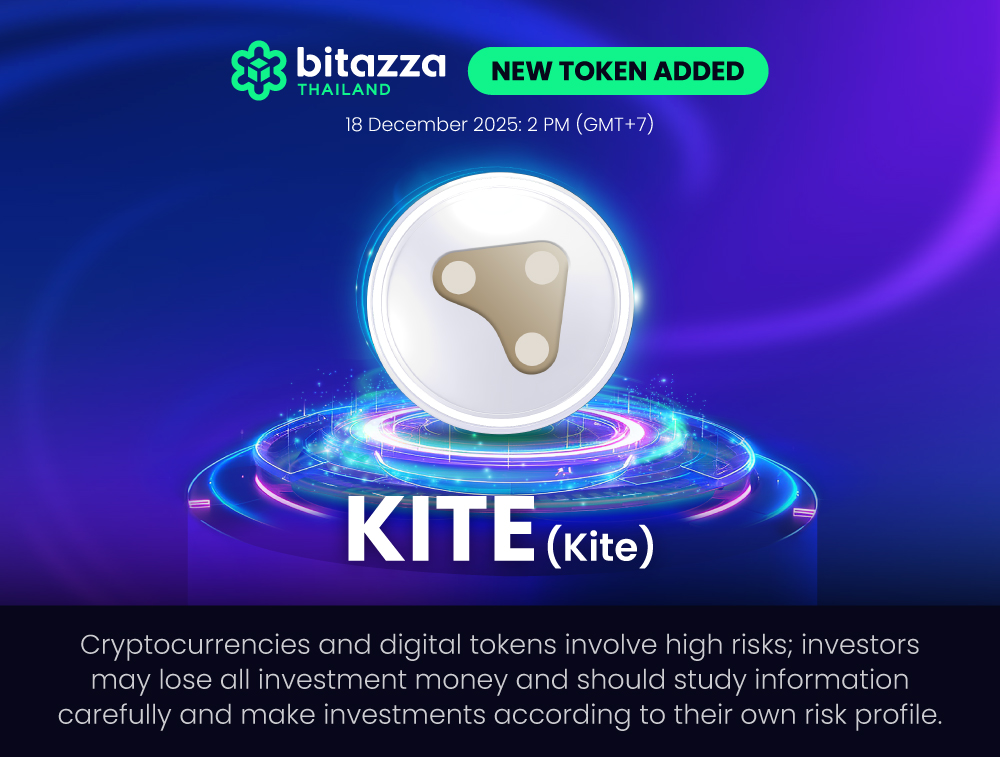
How to Trade Kite (KITE) on Bitazza Thailand
You can easily trade KITE tokens on Bitazza Thailand starting 18 December 2025 at 14:00 (GMT+7). Simply log in, deposit Thai Baht (THB), and search for the KITE/THB trading pair from over 120+ available crypto pairs. You can now add KITE to your portfolio and become part of the protocol. (Information as of December 2025)
What is Kite (KITE)?
Kite (KITE) is the native token of Kite AI, the first AI payment blockchain built for autonomous AI agents. The network lets agents act as economic participants with verifiable identity, programmable governance, and native access to stablecoin payments.
Instead of routing every decision through a human, Kite allows AI agents to transact, pay, and coordinate value flows on chain with cryptographic safety built in. KITE sits at the center of this system as the medium for payments, staking, and governance. Following its November 2025 launch, the token reached roughly $159 million in market capitalization and an $883 million fully diluted valuation (FDV), with about $263 million in early trading volume across Binance, Upbit, and Bithumb.
The Kite AI blockchain itself is a Proof of Stake, EVM compatible Layer 1 chain that serves as a low cost, real time payment and coordination layer for agents and AI services.
Purpose of Kite (KITE)
Kite was created to close the gap between powerful autonomous AI agents and legacy, human centric payment systems. By combining programmable money, verifiable identity, and on chain governance, it aims to become the settlement and coordination layer for AI native commerce.
Why Choose Kite (KITE)?
Agent Native Payments
Kite is optimized for machine to machine and agent to agent payments. Using stablecoins on a PoS Layer 1 chain, it supports low fees and fast settlement, making real time micropayments and streaming payments viable for AI services and APIs.
Infrastructure for the Agentic Economy
Kite’s design tackles credential management, payment infrastructure, and unverifiable trust, letting agents transact under programmable constraints with clear spending limits, rules, and revocation enforced by smart contracts.
EVM Compatible, Modular Ecosystem
Because Kite is EVM compatible, developers can deploy Solidity based smart contracts and connect modular “modules” that expose curated AI data, models, and services, all settling back to the Kite Layer 1 for payments and attribution.
Utility Driven Tokenomics
Total supply is capped at 10 billion KITE, with the initial allocation distributed as 48 percent to ecosystem and community, 12 percent to investors, 20 percent to modules, and 20 percent to the team, advisors, and early contributors. KITE is required for module liquidity, ecosystem access, staking, governance, and incentives, so value tracks real network usage.
How Does Kite (KITE) Work?
At its core, Kite is a Proof of Stake Layer 1 blockchain that acts as a payment and coordination layer for AI agents. Agents authenticate using systems such as Agent Passports and session keys, receive programmable permissions, and then transact via stablecoins and KITE across high throughput payment channels. Kite’s architecture reduces on chain costs by moving most interactions off chain as signed state updates, enabling very high volumes of micro transactions at negligible cost while maintaining cryptographic security.
Kite (KITE) Basics
- Blockchain: Kite AI Proof of Stake, EVM compatible Layer 1
- Total Supply: 10B KITE
- Circulating Supply: 1.8B KITE (as of 15 December 2025)
- Primary Uses: Payments, staking, governance, module liquidity, and incentives for AI agents and service providers
References
CoinMarketCapDisclaimers
*Cryptocurrency and digital tokens involve high risks; investors may lose all investment money and should study information carefully and make investments according to their own risk profile.
**Past performance does not guarantee future performance.
Share this
Subscribe by email
SSF คืออะไร อัปเดตเงื่อนไขล่าสุด พร้อมกลยุทธ์ลงทุนลดหย่อนภาษีให้คุ้มค่า
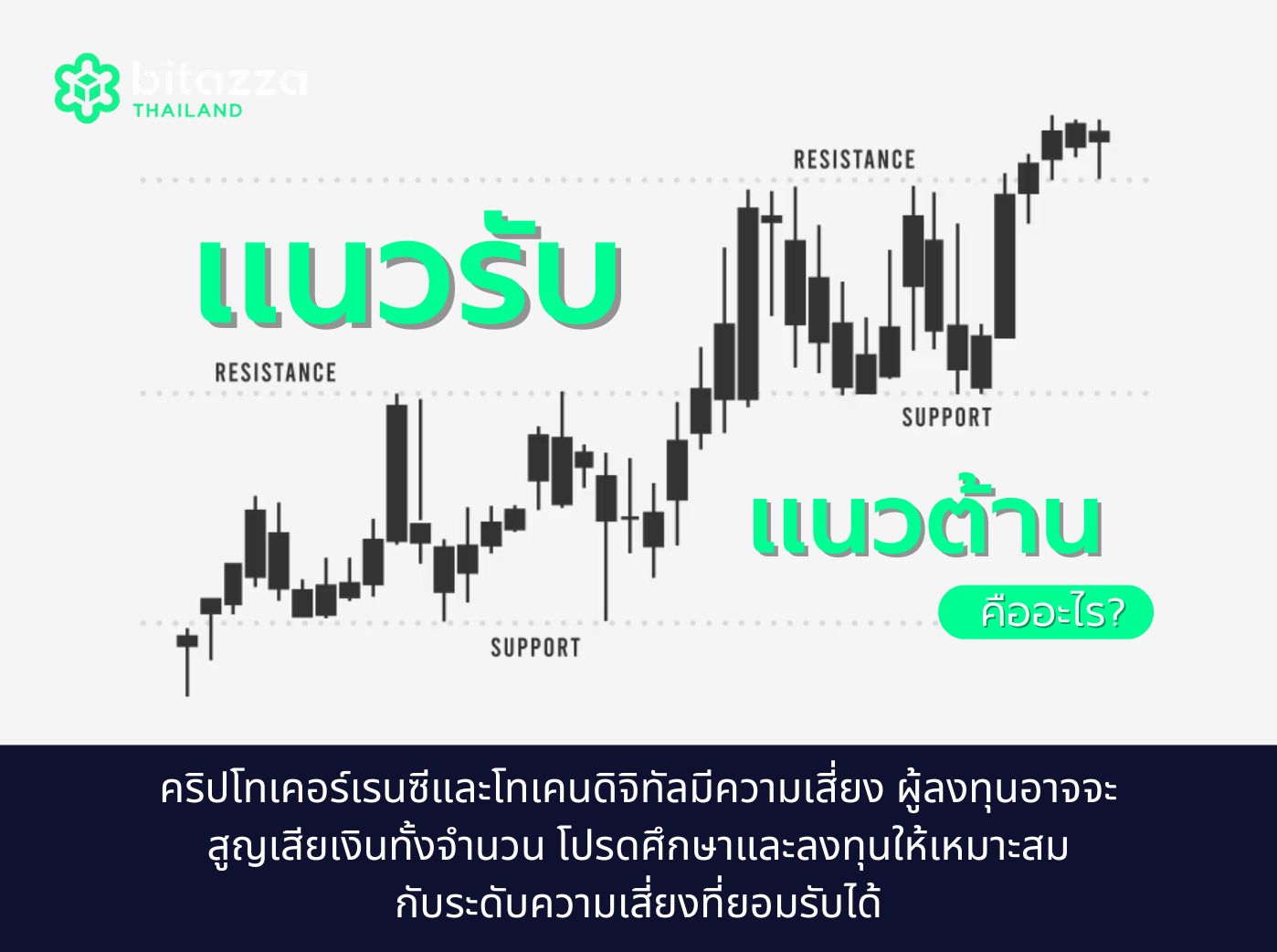
แนวรับ แนวต้าน คืออะไร? เทคนิคดูกราฟราคาสำหรับนักเทรดมือใหม่
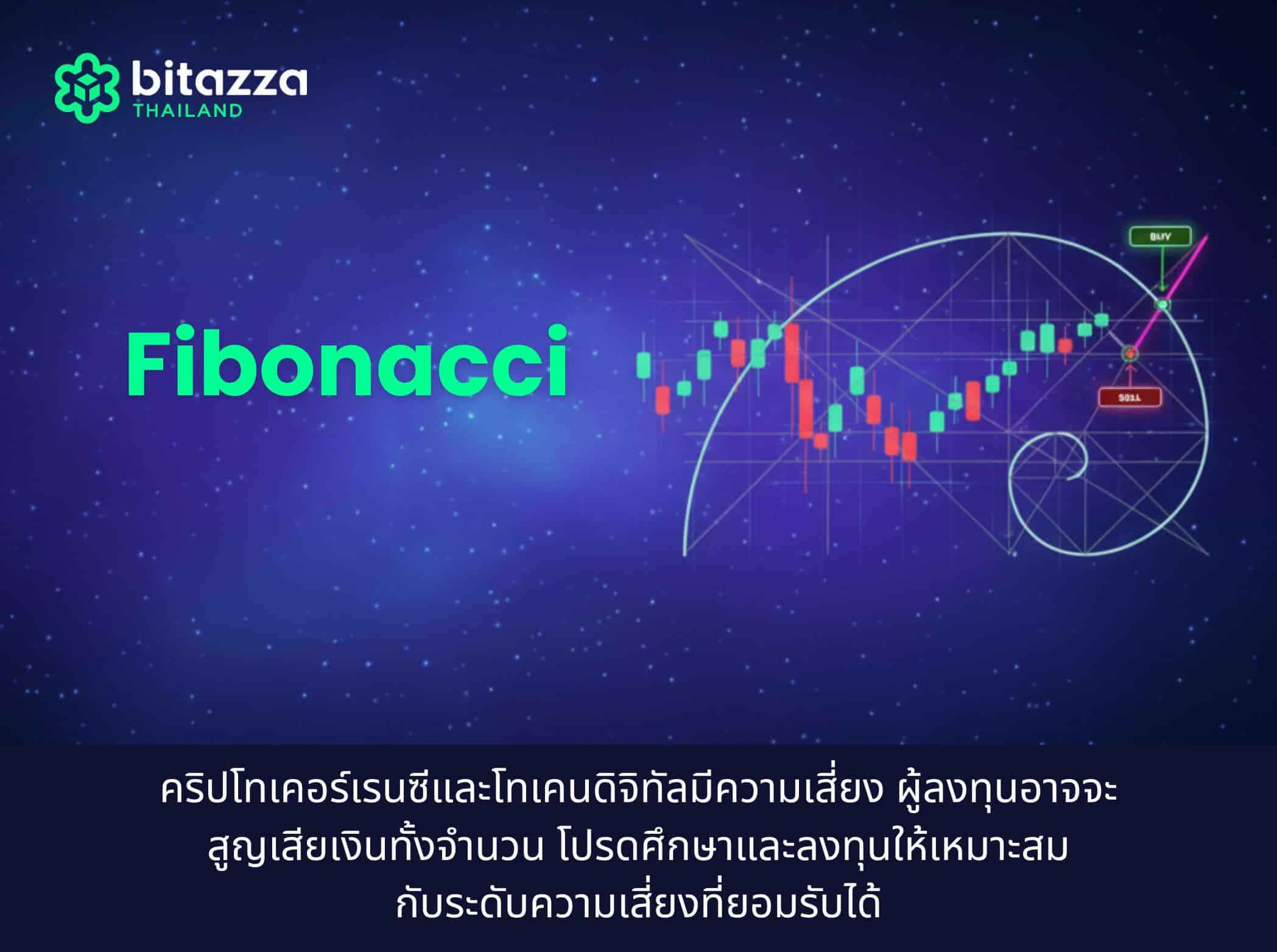
Fibonacci คืออะไร เครื่องมือวิเคราะห์กราฟที่นักลงทุนคริปโตนิยมใช้

Stop Loss คืออะไร? กลยุทธ์ตัดขาดทุนที่สำคัญที่สุดในการรักษาพอร์ตให้รอด
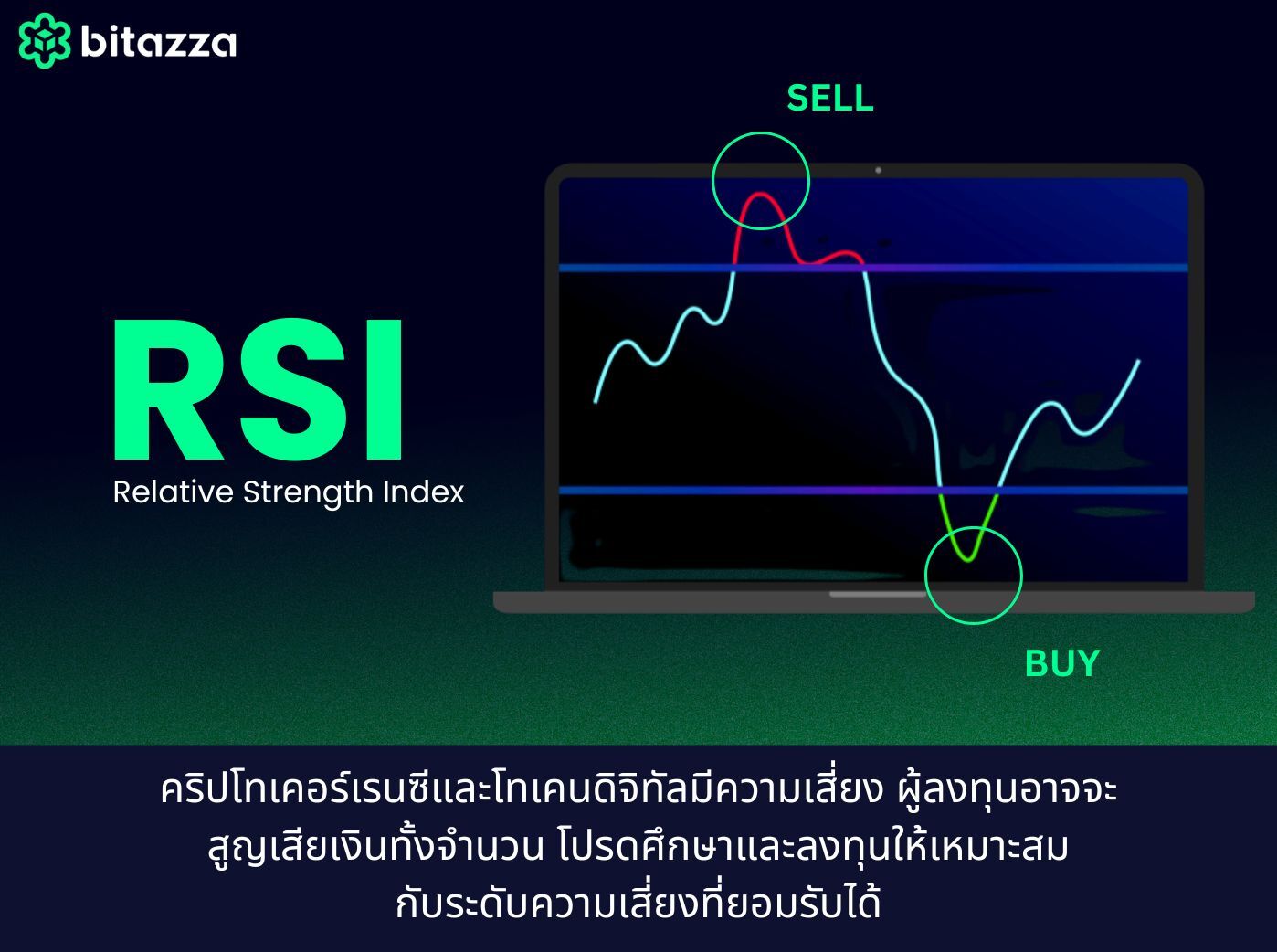
RSI คืออะไร? เทคนิคอ่านกราฟหาจุดกลับตัวและสัญญาณซื้อขายฉบับเข้าใจง่าย
Slippage คืออะไร? รู้ไว้เทรดคริปโตไม่มีขาดทุน
Altcoin คืออะไร รวมทุกเรื่องที่นักลงทุนคริปโตควรรู้เกี่ยวกับเหรียญทางเลือก
Goldman Sachs ลด BTC และลงทุนเพิ่มใน XRP และ SOL
บิทคอยน์ เล่นยังไง? คู่มือสำหรับมือใหม่ ตั้งแต่เปิดบัญชีจนถึงทำกำไร