Share this
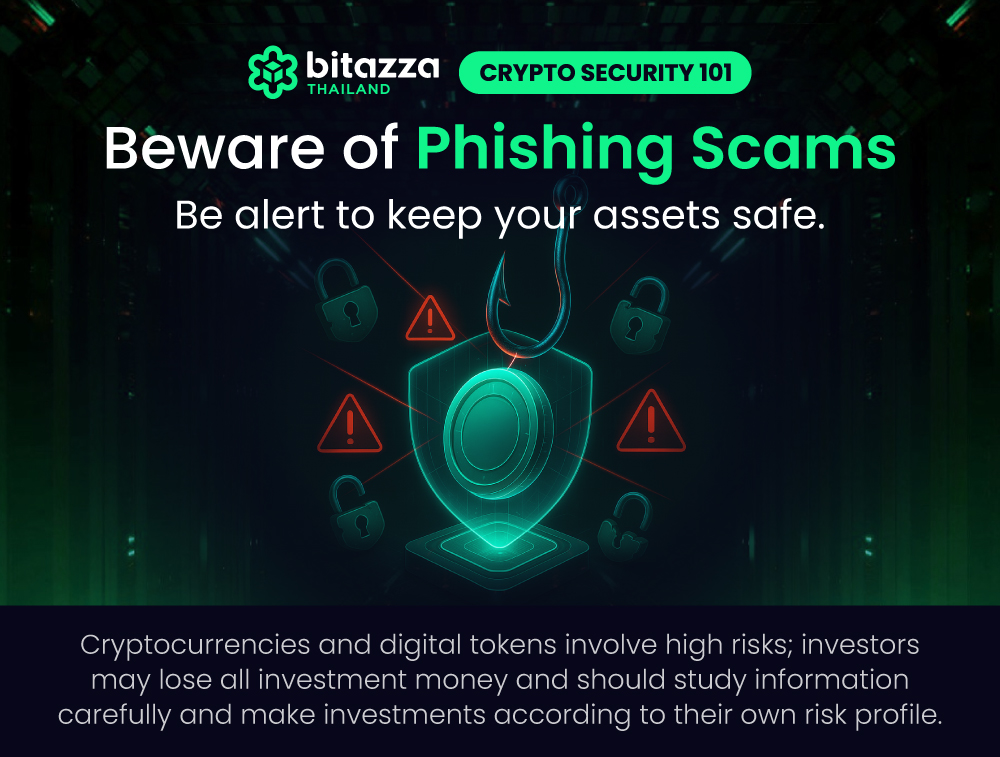
As crypto adoption continues to grow, so do the threats targeting users. Among the most common—and dangerous—forms of cyberattacks in the digital asset world is phishing. Whether you're a seasoned investor or a beginner, phishing scams can compromise your assets within seconds if you're not vigilant.
This article will help you understand what phishing scams are, how they work, and how to protect yourself from falling victim to them.
What is a Phishing Scam?
A phishing scam is a type of cyberattack where scammers impersonate legitimate entities—such as crypto exchanges, wallet providers, or support teams—to deceive users into disclosing sensitive information.
This information can include:
- Your seed phrase or private key
- Login credentials (email + password)
- Two-factor authentication (2FA) codes
Once scammers obtain these, they can gain full access to your crypto wallet and assets.
Common Phishing Methods in the Crypto World
- Fake Websites (Spoofed Domains)
Scammers create websites that look identical to official platforms. These often appear in search engine ads or fake links shared via email and social media. Once you enter your login credentials, they’re stolen instantly. - Phishing Emails and SMS
Emails or texts that look like they're from your exchange or wallet provider may ask you to “verify your account” or “take urgent action.” These contain links that lead to fake sites designed to harvest your information. - Impersonation on Social Media and Messaging Apps
Scammers may pose as official support staff and message you directly on platforms like Telegram, Line, Twitter (X), or Facebook. They’ll often pretend to help with technical issues—but ask for your seed phrase. - Airdrop or Giveaway Scams
Scammers promote fake airdrops or giveaways that require you to “connect your wallet” or provide private keys to claim your reward. Remember: legitimate airdrops never ask for private credentials. - Fake Apps or Browser Extensions
Malicious applications may mimic popular wallets or DeFi tools. Once installed, they can steal your keys or credentials upon login.
How to Protect Yourself from Phishing
Here are some actionable steps to stay safe:
- Never share your seed phrase or private key.
No crypto platform or support team will ever ask for this information. - Double-check URLs
Always access websites by typing the URL directly or using bookmarks. Watch out for subtle domain changes (e.g., “bitazaa.com” instead of “bitazza.com”). - Avoid clicking suspicious links
Especially from unknown emails, pop-ups, or messages—even if they appear urgent. - Use official apps and verified channels only
Download apps from official app stores and confirm you're speaking to verified support. - Enable 2FA (Two-Factor Authentication)
Use an authenticator app (like Google Authenticator or Authy) instead of SMS where possible. - Stay up to date
Follow trusted sources (like Bitazza) for the latest alerts on scams and security threats. - Trust your instincts
If something feels off—pause and double-check before you act. Rushing is how most phishing attacks succeed.
Real Example of a Crypto Phishing Attack
In 2022, a large number of MetaMask users were targeted with Google ads that led them to a fake login page. Those who entered their credentials unknowingly gave scammers access to their wallets—and lost thousands of dollars in crypto.
This is why you should never trust a link just because it appears at the top of Google search results.
Final Thoughts
Phishing scams are becoming more sophisticated, and as crypto users, we must be even more vigilant. The best protection is education and cautious behavior. By recognizing red flags and adopting safe practices, you can protect yourself and your digital assets from falling into the wrong hands.
Stay alert. Stay secure. And always verify before you trust. Start trading safely on Bitazza Thailand today
*Cryptocurrencies and digital tokens involve high risks; investors may lose all investment money and should study information carefully and make investments according to their own risk profile.
Share this
Subscribe by email
กองทุนแห่งชาติ UAE ลงทุน Bitcoin ผ่าน ETF เพิ่มขึ้น
SSF คืออะไร อัปเดตเงื่อนไขล่าสุด พร้อมกลยุทธ์ลงทุนลดหย่อนภาษีให้คุ้มค่า
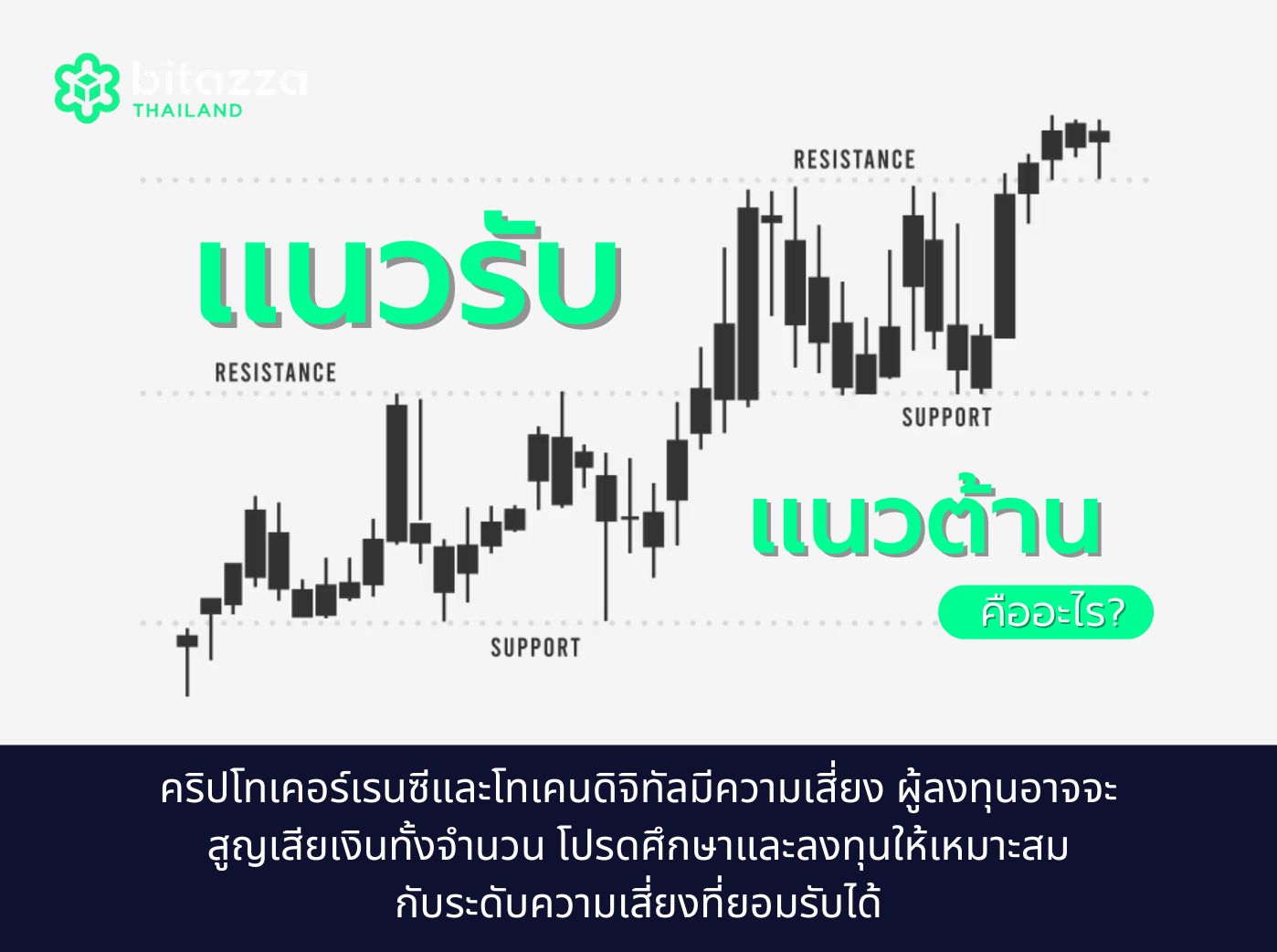
แนวรับ แนวต้าน คืออะไร? เทคนิคดูกราฟราคาสำหรับนักเทรดมือใหม่
Fibonacci คืออะไร เครื่องมือวิเคราะห์กราฟที่นักลงทุนคริปโตนิยมใช้
Stop Loss คืออะไร? กลยุทธ์ตัดขาดทุนที่สำคัญที่สุดในการรักษาพอร์ตให้รอด
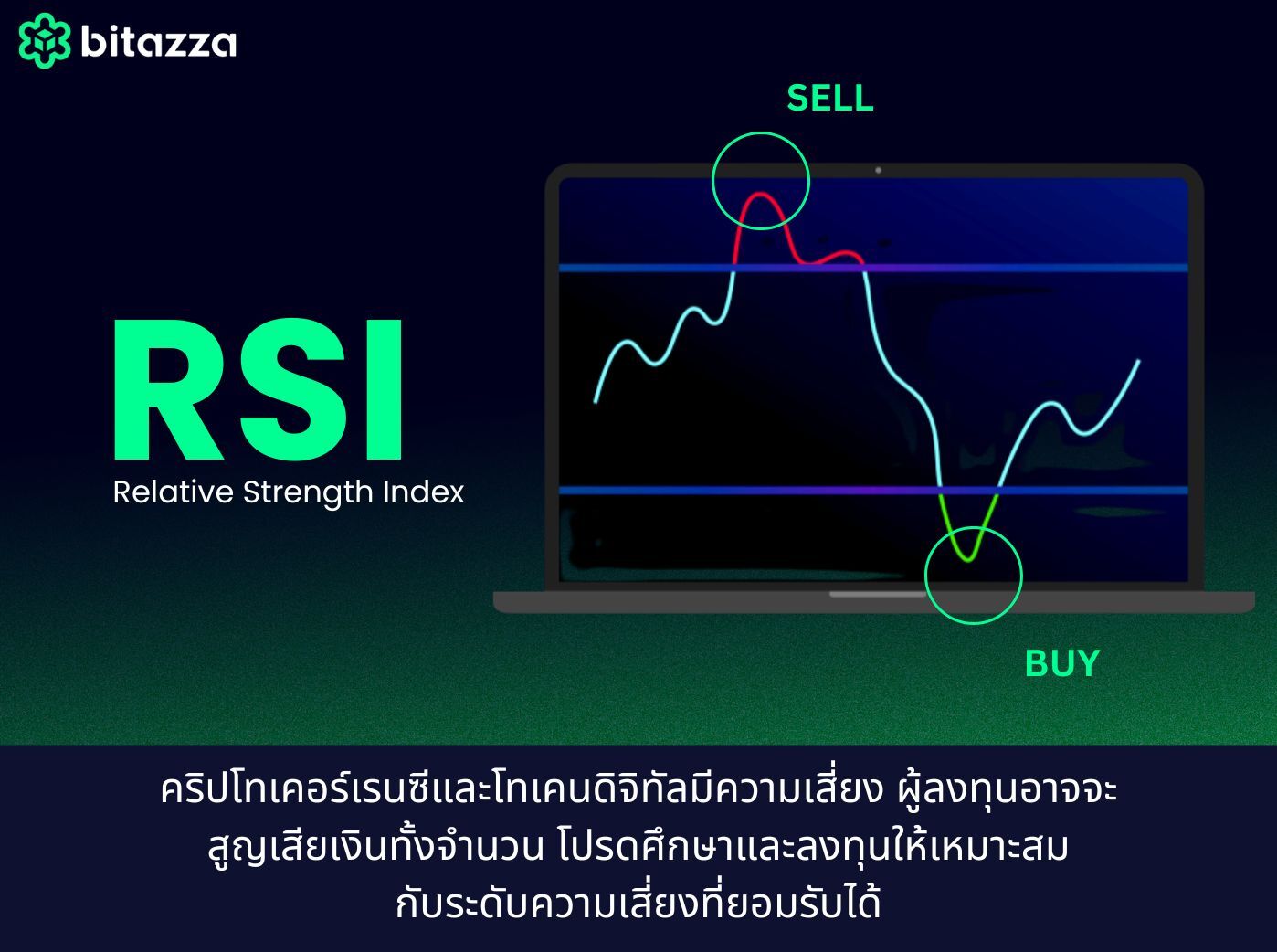
RSI คืออะไร? เทคนิคอ่านกราฟหาจุดกลับตัวและสัญญาณซื้อขายฉบับเข้าใจง่าย
Slippage คืออะไร? รู้ไว้เทรดคริปโตไม่มีขาดทุน
Altcoin คืออะไร รวมทุกเรื่องที่นักลงทุนคริปโตควรรู้เกี่ยวกับเหรียญทางเลือก
Goldman Sachs ลด BTC และลงทุนเพิ่มใน XRP และ SOL